
The war in Ukraine has led to renewed awareness of Europe’s unsustainable dependence on energy imports. In combination with the urgency of climate change, the twofold crisis requires an acceleration of the energy transition. This puts the spotlight on social acceptance: renewable infrastructure projects, as well as ambitious energy and climate policies, are often met with local resistance.
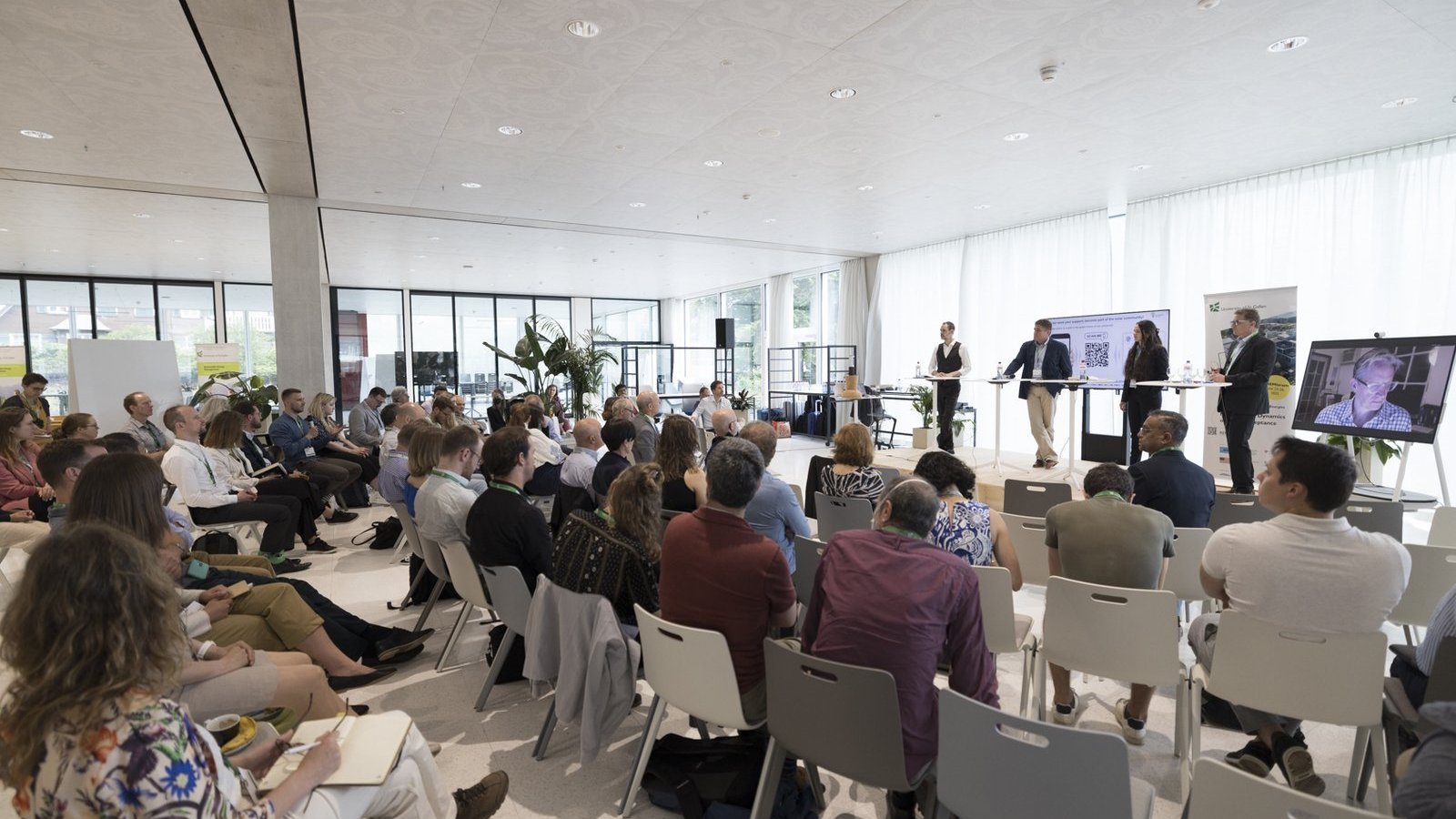
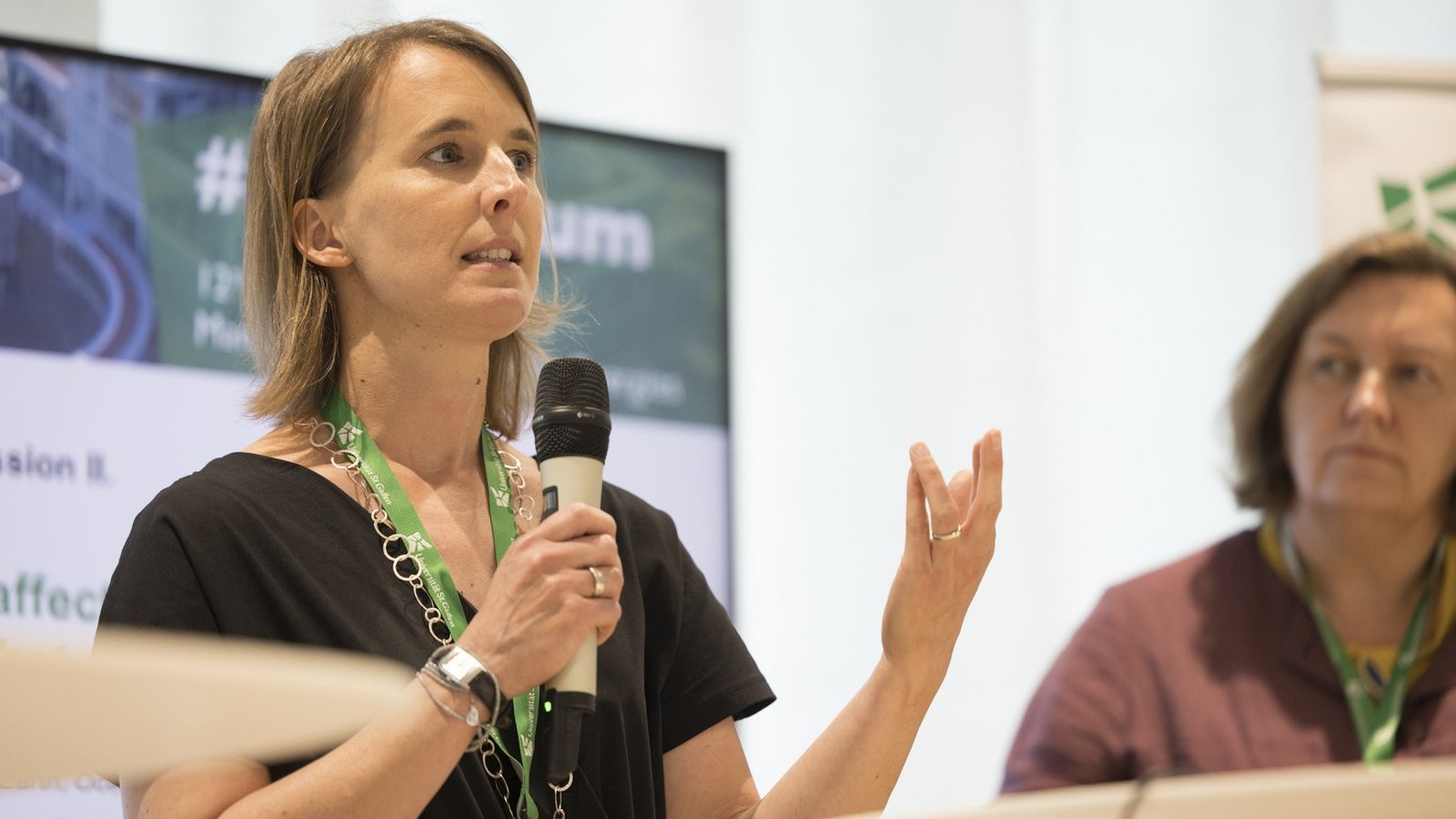
Managing the Dynamics of Social Acceptance was the focus topic of this year’s #REMforum. Speakers and attendees sharef best practices and reflected on current challenges.
DINNER SPEECH
Moderator: Prof. Dr. James W. Davis, School of Economic and Political Science, University of St.Gallen
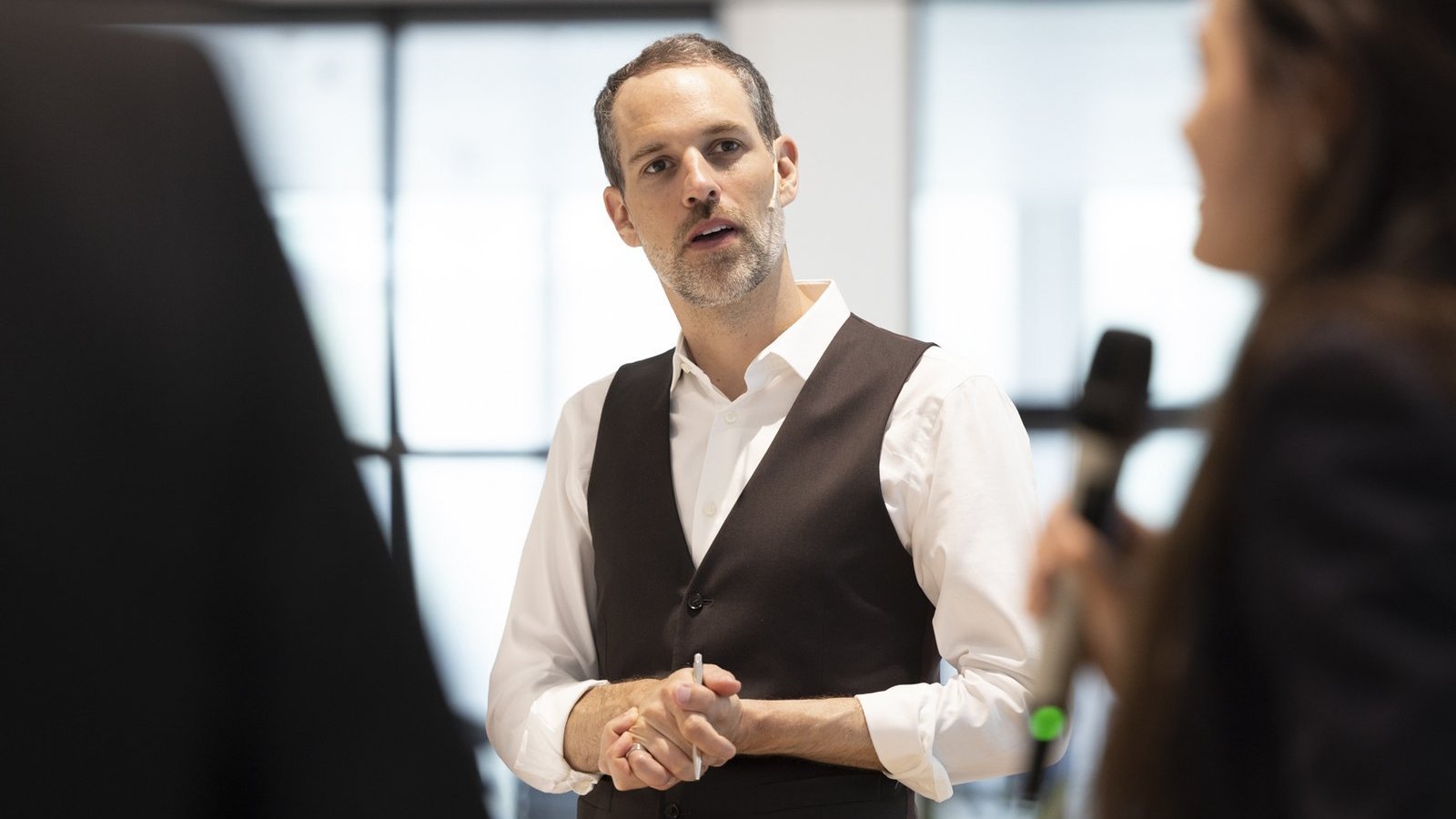
Moderator: Arthur Honegger (SRF)
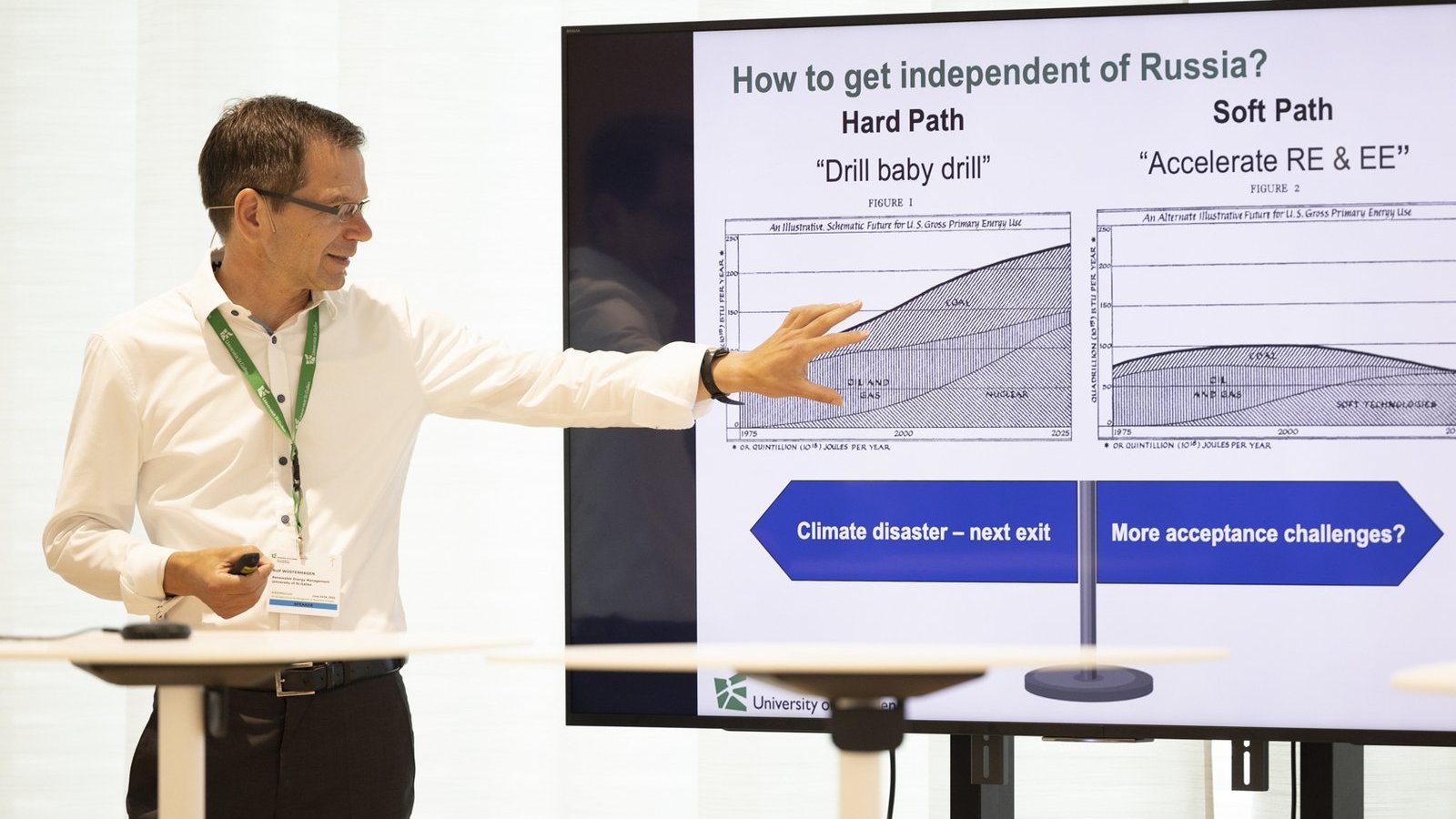
Prof. Dr. Rolf Wüstenhagen Chair for Management of Renewable Energies, University of St.Gallen
Prof. Dr. Geraint Ellis School of Natural and Built Environment, Queen's University Belfast, UK
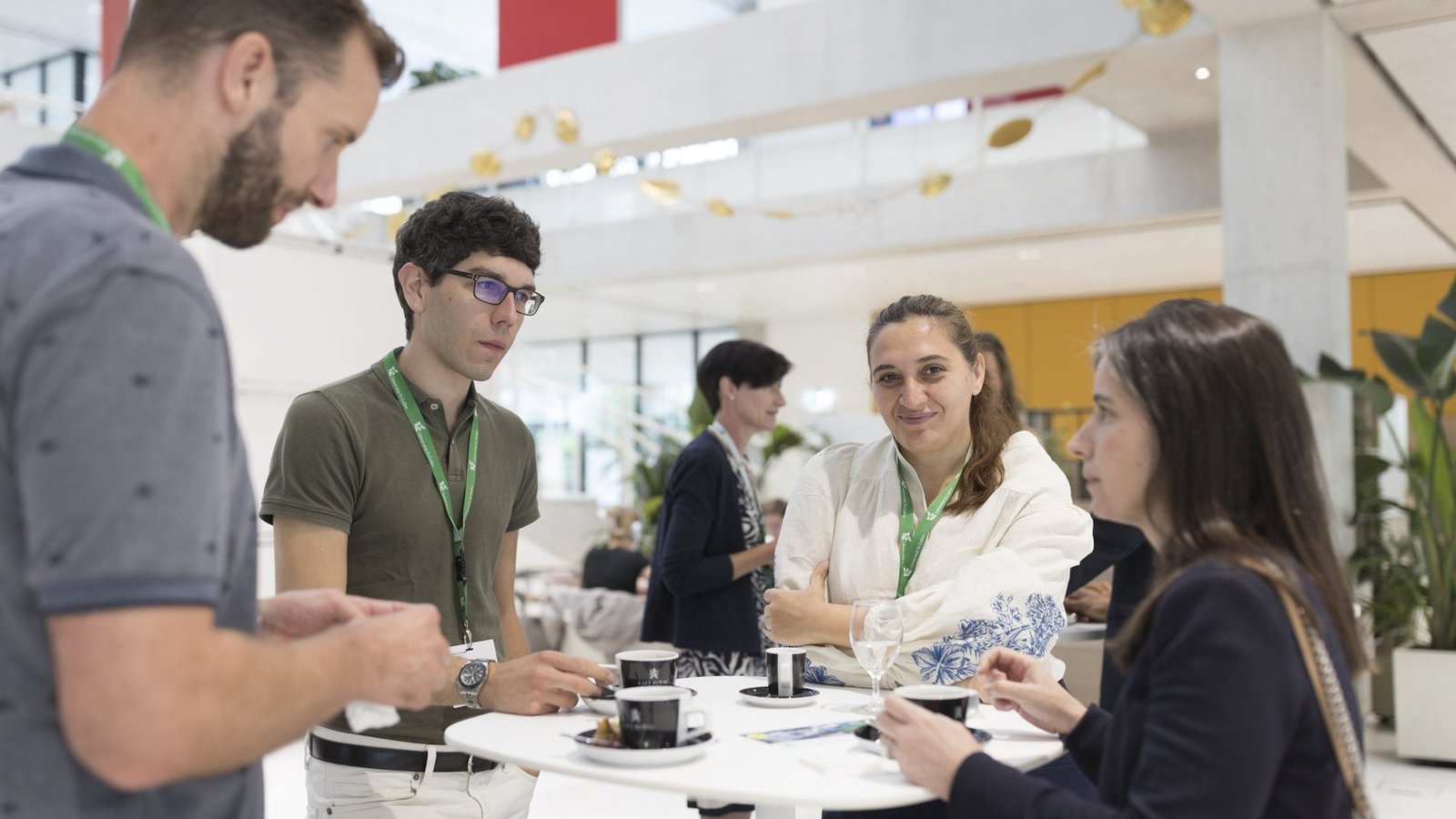
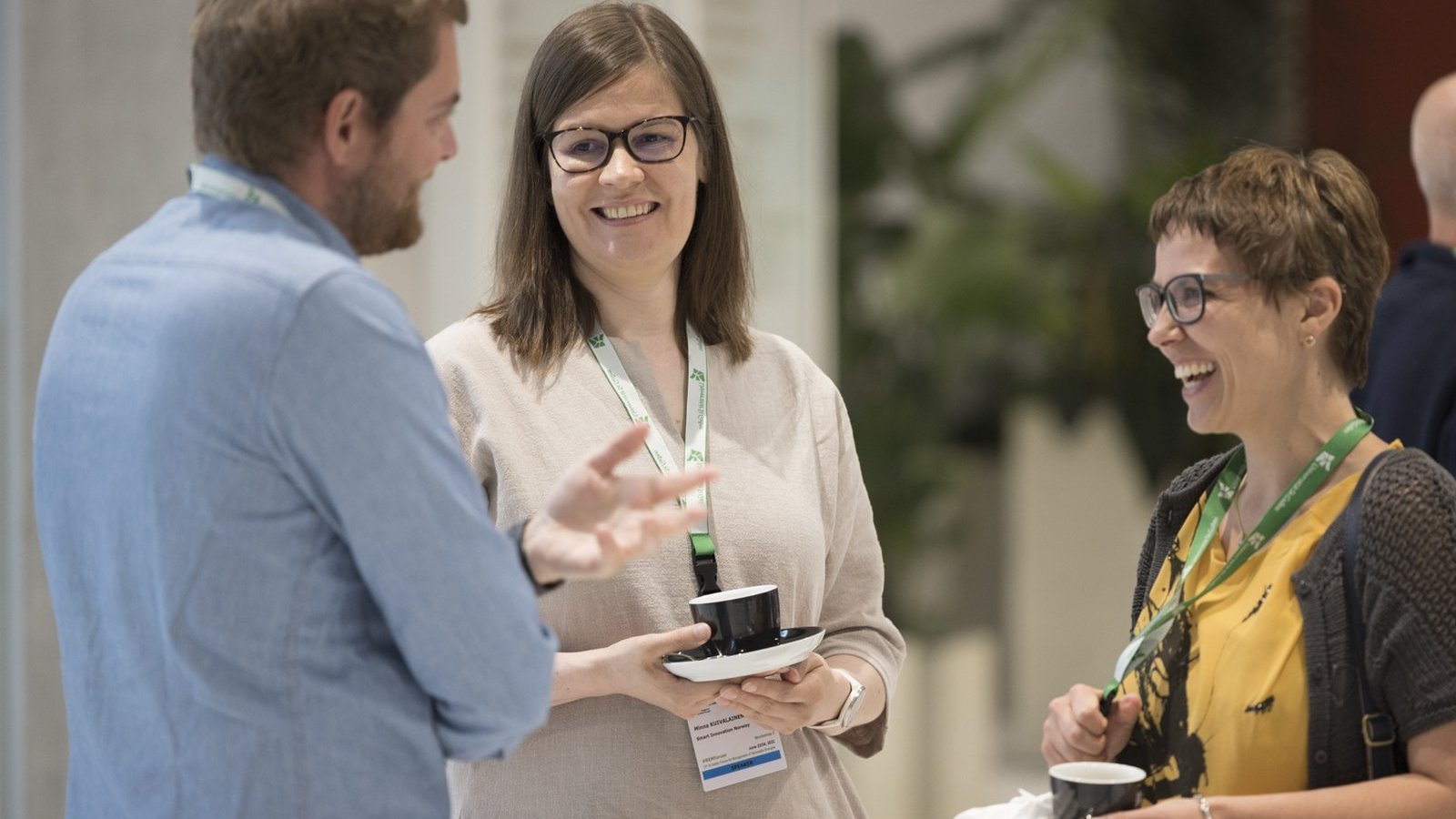
11:00 Coffee Break
12.30 LUNCH and Poster Session (MISTRAL ESR et.al.)
13.45 - 15.45 PARALLEL WORKSHOPS A - D
Heat pumps (HP) are promising heating solutions to decarbonize buildings. However, financial barriers such as high upfront investments often hinder deployment. Heat pump leasing could contribute to overcome barriers to adoption by removing the need for initial investments, reducing complexity of projects, and mitigating risks for end-users. What are the preferences of houseowners and businesses for clean heat as a service? How can we facilitate the financing of such assets? This workshop addresses these questions by bringing together energy service providers to discuss the opportunities and challenges associated with service-base business models in Europe.
WORKSHOP B: ELECTRIFYING AGRICULTURE
The use of renewable energy and e-mobility has reached the agricultural sector. Installing PV systems on agricultural land (Agro-PV) is becoming increasingly popular in Europe. It not only allows to increase the share of green electricity on the farm, but Agro-PV also offers several benefits to crop production. At the same time, various manufacturers are introducing electrified agricultural vehicles such as e-tractors. Combining both technologies contributes to reaching climate neutrality in the agricultural sector. This workshop introduces the technological development and applications of Agro-PV as well as new trends in electrified agricultural transportation.
WORKSHOP C: B2B ENERGY COMMUNITIES / IN COLLABORATION WITH E-LAND AND ACCEPT
Distributed renewable energy sources and smart grids generate power close to where it is consumed. Using these technologies, industrial and commercial districts can become local energy systems or “B2B energy communities”, which are cornerstones for a just and inclusive energy transition. However, their successful and long-lasting implementation requires engagement and acceptance from different local stakeholders and community members. Participants of this workshop will learn how to design non-residential energy communities that meet local stakeholders’ views, values and preferences. It includes inputs from academics and practitioners presenting two case studies. Participants will apply their new knowledge directly by engaging in interactive case study work on designing energy communities.
E-LAND: https://elandh2020.eu/ - ACCEPT: https://www.accept-project.eu/
WORKSHOP D: SMART SOLAR MOBILITY
Solar Mobility – to harness the power of the sun for e-mobility – is a key solution to achieve Swiss climate goals in the two most crucial sectors –energy and transport. But how can smart charging match the flexible energy demand from electric cars with intermittent solar generation, even after a nuclear phaseout? How can Artificial Intelligence balance the grid to cope with temporary supply inflexibilities and a local grid congestions? Will consumer accept charging when the sun shines? How much charging infrastructure will ensure sufficient flexibility? And what are business models to scale up smart mobility?
15:45 Coffee break
Moderator: Arthur Honegger (SRF)