
Climate change is no longer a distant environmental concern, it is a defining force reshaping markets, geopolitics, supply chains, regulation and corporate strategy. From carbon pricing to climate litigation, from green industrial policy to transition finance, the rules of the global economy are being rewritten in real time.
Yet many future leaders in business still encounter climate change primarily as a scientific or ethical issue, rather than what it has become: a core strategic, economic and governance challenge.
The CEMS Climate Change Course and Model UNFCCC bridges this critical gap.
This unique, multi-university learning experience immerses students in the political economy of climate action. Participants explore how international climate negotiations shape investment landscapes, industrial competitiveness, innovation pathways and risk exposure across sectors.
At the heart of the course lies a live simulation of the United Nations Framework Convention on Climate Change (UNFCCC) process - the arena where global climate rules are negotiated and contested.
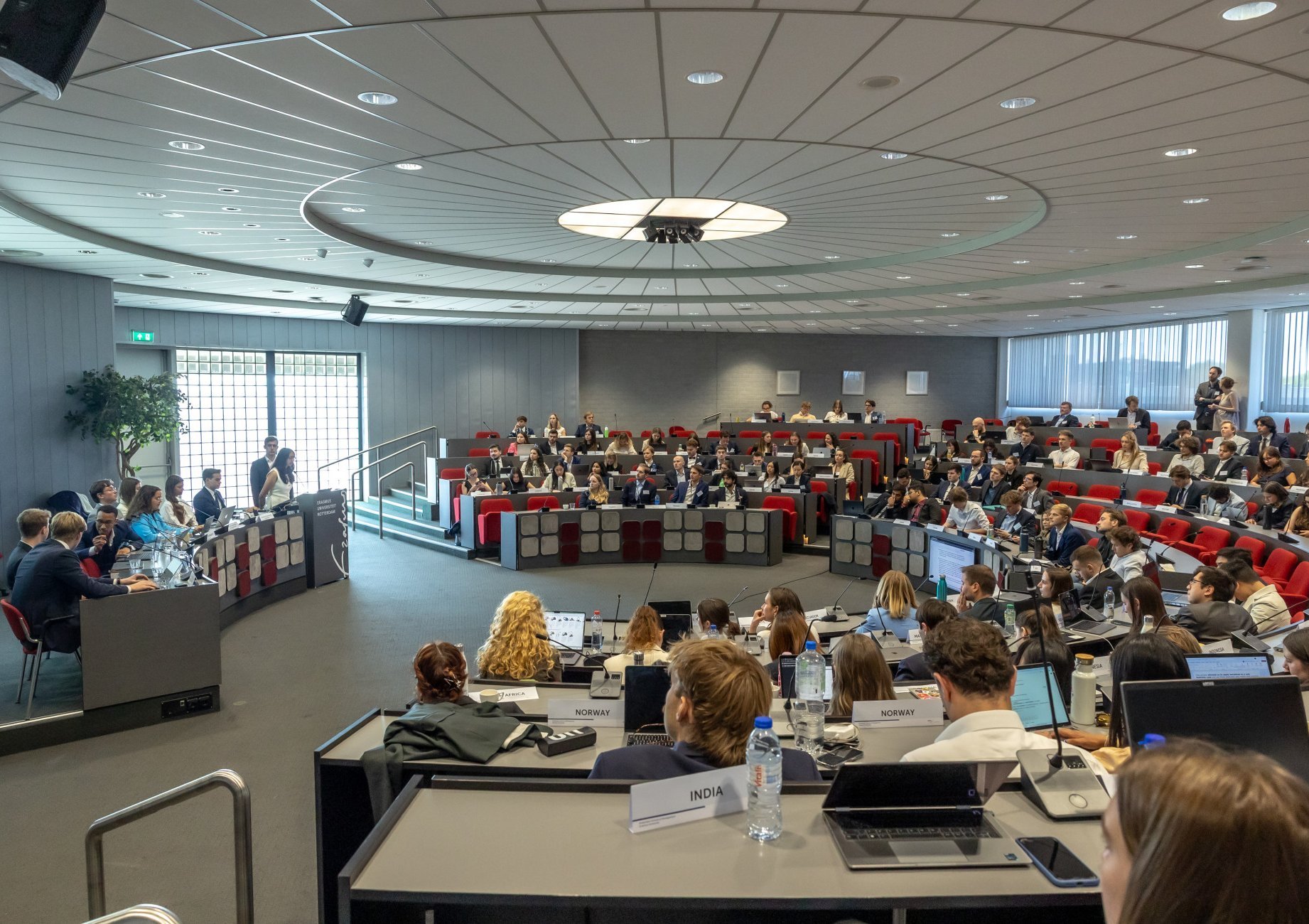
Held simultaneously across leading CEMS schools, the course culminates in a two-day Model UNFCCC summit bringing together around 200 students to step into the roles of negotiators, working group chairs and civil society actors.
In this high-stakes simulation, participants must navigate:
The experience challenges students to move beyond theory and grapple with the strategic and deeply political nature of climate decision-making.
Senior Lecturer of Managing Climate Solutions